
Rules
Smart Irrigation Controller Rebates by State: How to Claim Yours
Smart irrigation controller rebates by state come from water agencies, not one national fund, so the claim path and application portal depend on your ZIP code.
What to take away
- Smart irrigation controller rebates by state come from water agencies, not one national fund, so your ZIP code decides the claim path more than your state line.
- California, Texas and Washington run programs that pay per controller. So do Colorado, Arizona, Utah, Nevada and New Mexico.
- Most programs pay only for controllers on the current EPA WaterSense labeled list, installed under the program's own rules.
- Pre-approval decides payment. Buy the controller first and the claim is usually refused with no appeal.
- Skipping HOA or landlord approval can force removal of the equipment at your cost, with fines added.
- An altered or duplicated claim can be recovered, and the account can lose access to later rebates.
Rebates by state: who pays and how much
There is no national irrigation rebate. A water district, a city utility or a state water office writes the rules, and the state office often hands daily administration to the local agency. Two households in one state can face different model lists and different paperwork.
Rebate Programs by State
SoCal Water$mart
- Who runs it
- Metropolitan Water District
- What it pays for
- WaterSense controllers
- Typical amount
- $50 to $100
- How to claim
- Apply before purchase
Saving Water Partnership
- Who runs it
- Seattle Public Utilities
- What it pays for
- Controllers and soil sensors
- Typical amount
- $50 to $100
- How to claim
- Online with pre-approval
Austin Water
- Who runs it
- City of Austin
- What it pays for
- Controllers, rain sensors
- Typical amount
- $50 to $150
- How to claim
- Reserve before installation
Denver Water
- Who runs it
- Denver Water
- What it pays for
- Controllers and upgrades
- Typical amount
- $50 to $100
- How to claim
- Apply after installation
The table below names programs that publish their terms. Amounts and deadlines change, so confirm the current figure on the program's own page before you buy.
Rebates by state
| Program | Who runs it | What it pays for | How to claim |
|---|---|---|---|
| SoCal Water$mart (California) | Metropolitan Water District of Southern California, through member agencies | WaterSense labeled controllers, typically $50 to $100 per controller, reset each funding cycle | Apply through your retail water agency before purchase |
| Saving Water Partnership (Washington) | Seattle Public Utilities and participating Puget Sound utilities | WaterSense controllers and soil moisture sensors, typically $50 to $100 | Online application with proof of purchase and pre-approval |
| Austin Water (Texas) | City of Austin | WaterSense controllers, rain sensors and pressure regulation, typically $50 to $150 | Rebate reservation before installation, then inspection |
| Denver Water (Colorado) | Denver Water | WaterSense controllers and smart irrigation upgrades, typically $50 to $100 | Apply within the program's posted window after installation |
| San Antonio Water System (Texas) | SAWS | WaterSense controllers and irrigation audits, typically $50 to $150 | Online portal, pre-approval required |
| City of Chandler (Arizona) | City of Chandler | WaterSense controllers and turf removal, typically $50 to $100 per controller | Application with pre-approval and site verification |
| Utah Division of Water Resources (Utah) | State water office, with participating districts | WaterSense controllers through participating districts, typically $50 to $100 | Apply through your district, not the state office |
| Southern Nevada Water Authority (Nevada) | SNWA | WaterSense controllers and turf removal paid per square foot | Online application, pre-approval and a site visit for turf |
| Albuquerque Bernalillo County Water Utility Authority (New Mexico) | ABCWUA | WaterSense controllers and rain sensors | Apply through the utility before installation |
As of 2026, per-controller rebates in these programs typically run $50 to $150. Each agency resets its figure every funding cycle, and some cap the number of controllers per property.
Rebates by state
- CaliforniaSoCal Water$mart pays per WaterSense controller through member retail agencies, and the Metropolitan Water District resets the amount each cycle. Turf replacement grants go to local agencies, not directly to homeowners.
- TexasAustin Water reserves a rebate before installation, and San Antonio Water System pays through an online portal with pre-approval. Dallas Water Utilities lists its own controller rebate and its own eligible models.
- WashingtonThe Saving Water Partnership, led by Seattle Public Utilities, pays for WaterSense controllers and soil moisture sensors. Pre-approval and proof of purchase are required for the claim.
- ColoradoDenver Water rebates WaterSense controllers and smart irrigation upgrades. Claims go in after installation, inside a posted window.
- ArizonaChandler pays for WaterSense controllers and turf removal, and the claim needs pre-approval plus a site verification. Tucson and Tempe publish their own eligible model lists.
- UtahThe Utah Division of Water Resources funds controller rebates through participating districts, and Utah Water Savers lists the current offers. Applications go to the district, not the state office.
- NevadaThe Southern Nevada Water Authority pays for WaterSense controllers and pays turf removal by the square foot. Turf claims need a site visit, and rates reset each funding cycle.
- New MexicoThe Albuquerque Bernalillo County Water Utility Authority rebates WaterSense controllers and rain sensors. Approval comes from the utility before purchase.
California funds turf replacement and efficiency grants that local agencies spend, and its statutes limit how far an HOA can restrict drought-tolerant planting. Texas leaves most programs to municipal utilities, so a homeowner in Austin and one in a San Antonio suburb file with different agencies under different model lists.
The private layer sits on top, and a rebate never overrides it. Architectural review decides whether you may change the irrigation system at all. The Consumer Financial Protection Bureau describes how HOA covenants and architectural review work.
What makes a controller eligible
Two shapes exist. A prescriptive program names approved models, or it requires a model on the current EPA WaterSense labeled list.
Is Your Controller Eligible?
Does the program name approved models?
Check model against live list
Performance program: auditor verifies
A performance program pays for any controller meeting the criteria if a certified auditor or the utility verifies installation. Weather-based scheduling and a soil moisture override are core criteria, and the EPA publishes the performance requirements behind that label.
Brand searches age badly. A page promising Rachio rebate eligibility may describe a program that closed years ago. Check the model number against the live list, then check your own water agency. The Rachio vs RainMachine question matters less than which list your utility accepts. Some programs also require a rain or freeze sensor before payment.
What goes in the application
Documents vary by program, but the recurring set is short. Build the folder on the day of purchase.
Application Document Checklist
- Proof of purchase with model and serial
- Model on current eligible list
- Pre-approval reference number
- Installer invoice or self-install declaration
- HOA or landlord written consent
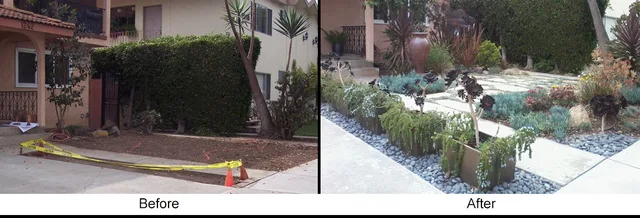
Turf replacement claims add before and after photographs and a site inspection. Programs that fund soil sensors with a controller ask for the sensor type. Clay behaves differently, so the Soil Moisture Sensor vs Tensiometer choice appears on the form.
Where a property is shared, the same board that approves an exterior fixture approves the controller. HOA Rules for Lighting shows how that review is structured.
How long approval and payment take
Pre-approval is usually quick, from a few days to a few weeks, and slower in spring when applications spike. Post-installation review runs from a few weeks to a full season. Turf programs hold payment until an inspector visits. Payment arrives as a bill credit or a mailed check.
Approval and Payment Timeline
- Pre-approvala few days to a few weeks
- Post-installation reviewa few weeks to a full season
- Turf programspayment held until inspection
- Paymentbill credit or mailed check
Many of the same utility portals also list outdoor lighting, and Dark Sky Compliant Lighting covers the fixture rules that decide those claims.
What happens if you skip the paperwork
Install before pre-approval and the claim is denied. That is the ordinary outcome, and many programs state there is no appeal, so the full cost stays with you. Buy a model that is missing from the current list and the same refusal applies, even if a salesperson said it qualified.
Skipping Pre-Approval Denies Claim
No appeal
Full cost stays with you
Altered receipts can be treated as fraud
A denied claim is not a delay. It ends the payment, and the utility will not backdate an approval to cover work already finished.
Altered receipts and duplicate submissions are treated more harshly. An agency can recover the money, flag the account so later rebates are refused, and in some jurisdictions treat an intentionally false claim as fraud.
On the private side, installing without architectural approval can mean removing the equipment at your own cost. Some covenants also assess daily fines until it is gone.
Common questions
Where do I find my state's rebate?
Start with the utility that bills you for water, not a state search. State water offices often route homeowners to a district or city program, and the amount appears only on that agency's page.
Do I need pre-approval before buying?
Usually yes. Programs that issue a reference number reject claims for equipment installed before that number exists, so check the program page before ordering.
Can a renter claim a controller rebate?
Sometimes, with the owner's written consent and the water account in the correct name. Most programs want the landlord named on the application too.
What if my HOA refuses the change?
The rebate becomes irrelevant. State statutes in some states limit how far an HOA can restrict drought-tolerant planting, but the covenant still controls trenching and placement.
Does the rebate reduce the installer's bill?
No. It arrives after the work, so plan to pay the installer first and collect the credit later.