Rules
Part of Outdoor automation ideas and their site checks
Stormwater and building rules that limit outdoor automation
Local rules shape outdoor automation more than product specs do: stormwater permits, backflow and electrical codes, septic setbacks, and association covenants.
Nothing here is legal advice, and no national page can check it. This is a map of which authorities usually oversee outdoor automation work, so you know who to call before you buy, not after a stop-work notice.
In most of the country, four bodies matter: the building department, the water provider, the health department, and any association that governs your property.
What to take away
- Where stormwater goes is regulated in many places, and redirecting roof water can trigger local requirements.
- Connections to the potable supply are a plumbing code matter, and backflow protection is often inspected.
- On a septic property, the drainfield sets hard limits on digging, planting, and added water.
- Association covenants regulate appearance and noise, which reaches lighting, mowers, and visible equipment.
Stormwater rules reach further than people expect
Communities do not regulate runoff for their own amusement. EPA's overview of using green infrastructure to meet Clean Water Act requirements explains that regulatory drivers give communities a consistent basis for installing these practices.
Runoff change outcomes
May require permit
- Changing where water leaves
- Permit needed
- Private property runoff
- Public obligation
May be prohibited
- Changing where water leaves
- Direction banned
- Private property runoff
- Public obligation
May get incentive
- Changing where water leaves
- Rebate offered
- Private property runoff
- Public obligation
Municipalities address them in local requirements and stormwater and combined sewer programs. These range from a few inlet features on main streets to a requirement covering all new development.
Where a municipal separate storm sewer system permit is in force, what happens on private property becomes part of a public obligation.
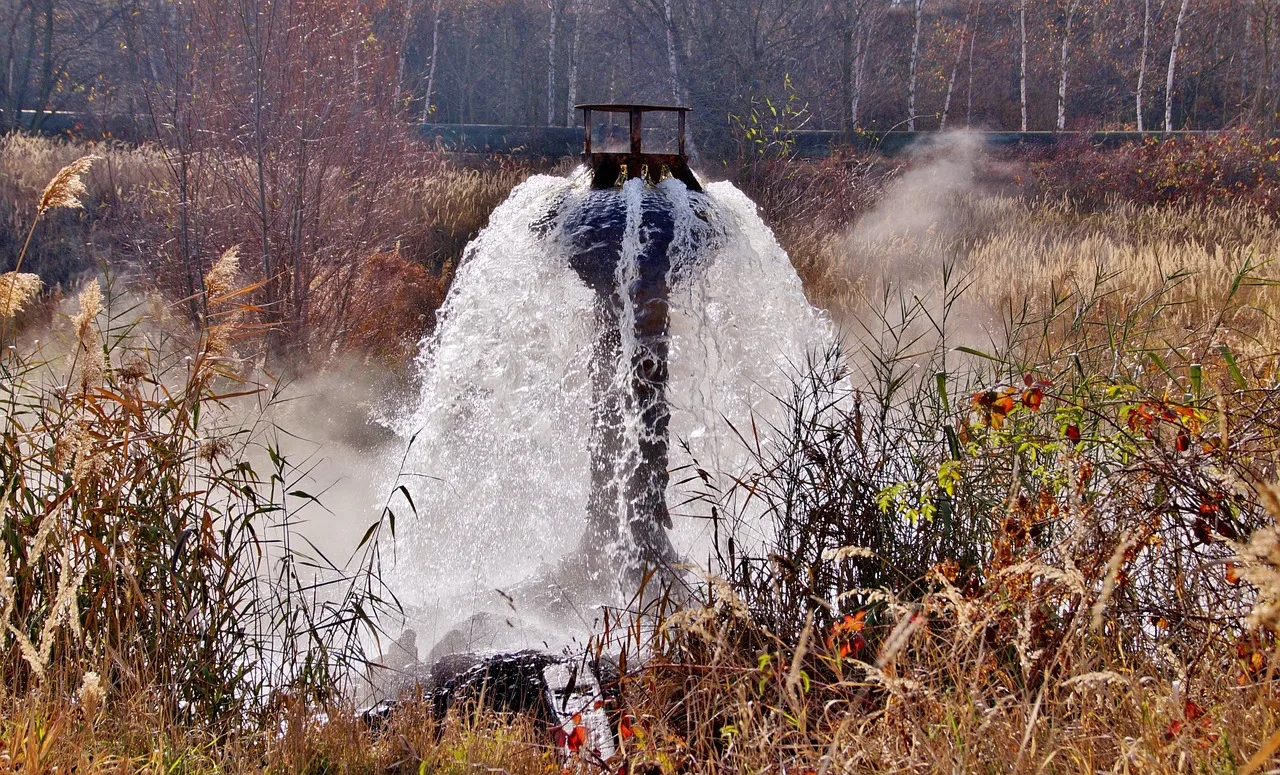
For a homeowner, the result is narrow and important: changing where water leaves your site may require a permit, may be prohibited in some directions, and may be encouraged with an incentive. All three exist in different places.
Septic properties have hard limits
More than one in five households in the country rely on onsite systems. EPA's overview of septic systems explains that these decentralized systems treat wastewater from household plumbing, beginning with solids settling in the tank and ending with treatment in the soil of the drainfield. Proper siting, installation, and maintenance are what let them protect public health and water resources.
That soil treatment area is the constraint. Do not trench through it, compact it, park a machine on it, or send extra water to it. Redirected downspouts and new irrigation zones both count as extra water.
The four authorities and what they usually control
The four authorities
| Authority | Typically controls | Ask them about |
|---|---|---|
| Building department | Permits, electrical, backflow, structures | Any trenching, line voltage, or connection to the supply |
| Water provider | Watering days and hours, backflow testing, rebates | Restrictions in force and approved device lists |
| Health department | Septic, wells, setbacks | Distances from the drainfield and any well |
| Association or landlord | Appearance, noise, shared areas, approvals | Written approval before purchase, not before installation |
What the rules look like in named places
The same four questions get very different answers from state to state. Four published examples show the range:
- Rain barrels in Colorado.The Colorado Division of Water Resources says no permit or other approval is required to capture and use precipitation in rain barrels with a combined storage capacity of 110 gallons, under Section 37-96 of the state statutes. Certain residential properties with a residential well, or that could qualify for one, may be eligible to collect more. A rain-barrel feed for a drip controller has to fit inside that limit.
- Rainwater plumbing in North Carolina.The N.C. Building Code Council has added Appendix C-1, Rainwater Recycling Systems, with requirements for rain water connections, the collection reservoir, filtration, overflow and makeup water for cisterns used for flushing toilets and urinals. A cistern that also feeds the house is a building code project, not a garden gadget.
- Rainwater in Washington.The state Department of Ecology notes that, for regulation purposes, the Washington Department of Health's Office of Drinking Water considers rainwater to be surface water subject to the Surface Water Treatment Rule. Any plan to use harvested water indoors starts with that office.
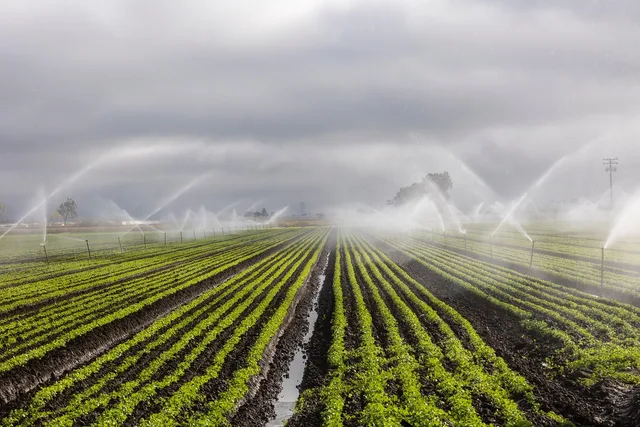
- Backflow in Los Angeles County.The Los Angeles County Waterworks Districts make the customer responsible for having an approved backflow prevention assembly installed and tested on an annual basis by a certified tester, and they accept assemblies approved by the USC Foundation for Cross-Connection Control and Hydraulic Research. An irrigation controller tied to the potable supply sits behind that assembly.
Order of operations
Call before you buy, and ask each authority a specific question, not a general one.
Examples: may I discharge roof water to this bed, is a permit needed for this trench, what backflow device is required for this connection, are there hours when a machine may not run? Get written answers where you can, dated and named.
Then scope the work using our note on what installers handle, and choose projects from our list of ten practical ideas that fit the answers you got.