
Guides
Part of Yard technology failures: four repeating patterns and checks that catch them
Yard Technology Mistakes: Five Site Checks
Yard technology mistakes can start before installation. Five site checks cover utility locates, tree roots, backflow, septic areas, and handover.
Yard technology mistakes cluster around five moments: before the first cut, when a trench meets a tree, when a pipe meets the potable supply, when machinery crosses ground it should not, and at handover when nobody writes anything down.
These five checks address common site and handover risks around smart yard work. Each section identifies a risk and a practical check to reduce it.
What to take away
- Call 811 or use your state one-call notification center before the first shovel; the utility locate request applies to shallow work, too.
- Trenching through a root zone can harm a mature tree years later, long after anyone connects the two events.
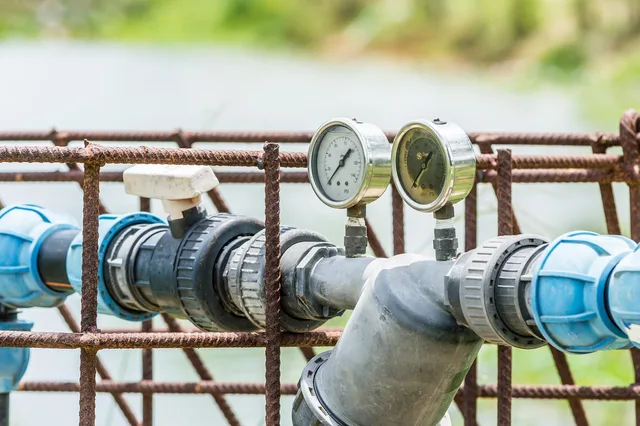
- Irrigation lines connected to drinking water need backflow protection; the device and testing requirements depend on the hazard and local rules.
- On a property with an onsite wastewater system, keep machinery, trenches, and robot-mower boundary wire clear of the treatment area.
Step one: before any digging
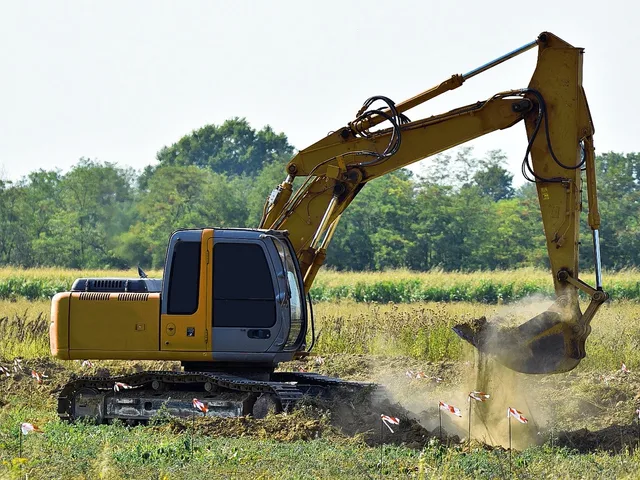
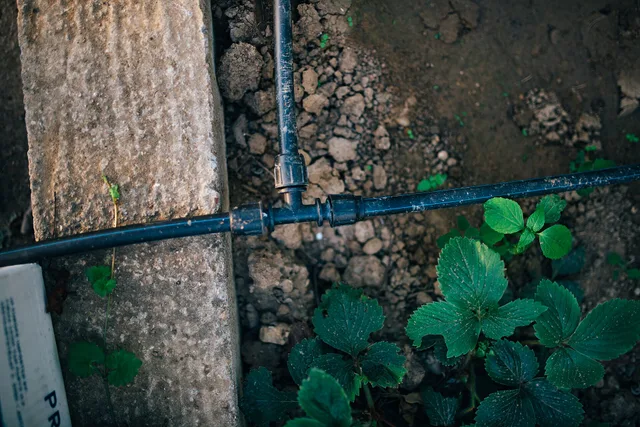
Before digging for irrigation pipe, smart-valve wiring, a soil sensor, or robot-mower boundary wire, contact 811, the U.S. Call Before You Dig number, or submit a request through your state one-call notification center. Wait until the ticket's required wait period has passed; the timing varies by state. Mark private lines that the public locate service will not locate, including irrigation laterals, low-voltage lighting, invisible fence wire, and any line to an outbuilding. Photograph the marks, because they fade.
Step two: where trenches meet trees
Roots extend far beyond the canopy edge, and many fine roots sit near the soil surface. EPA's archived Soak Up the Rain page, “Soak Up the Rain: Trees Help Reduce Runoff”, gives general context: roots take up water and create soil conditions that promote infiltration, while the canopy reduces erosion from falling rain and provides surface area from which water evaporates. It is ecological background, not a trench-clearance standard.
Severing a large share of that root system to save a few feet of trench is a trade nobody would make deliberately. Route around, or ask an arborist whether hand digging or tunneling is appropriate before proceeding.
Step three: the connection to the supply
Backflow protection type depends on the hazard and local code. In many places, a certified tester must test the device on a set interval.
The governing rules are the plumbing code adopted by the local authority—often a local adoption of the International Plumbing Code (IPC) or Uniform Plumbing Code (UPC), with amendments—plus water-provider requirements. Ask the building department and water provider which device is required for your installation and whether inspection is required. Where testing is required, ask whether it is annual or on another schedule; there is no single nationwide interval. Use a tester certified or approved by the relevant state or water provider, and check that authority's approved-tester list or register.
Step four: keeping machinery off sensitive ground
Onsite wastewater treatment areas can be damaged by compaction and punctures. EPA's “Septic Systems: Technical Resources” page includes technology fact sheets, a state-by-state list of approved advanced treatment products and their oversight agencies, and state revolving fund financing. Use the property's permit record and local requirements to identify the protected area.
Before trenching for irrigation-controller wiring, soil-sensor lines, smart valves, or robot-mower boundary wire, find the onsite system's location in the permit record and mark it on the ground. Keep equipment and excavation out of the treatment area.
Step five: handover
| Handover item | Why it prevents the next mistake |
|---|---|
| As-built sketch with depths | Nobody digs blind next time |
| Zone and circuit labeling | Faults get isolated in minutes |
| Written schedule and settings | Seasonal changes can be checked |
| Model and serial numbers | Warranty and spares are traceable |
| Photographs before backfill | Settles disputes about what was done |
| Restoration standard, in writing | Turf and paving get made good |
Compare the full scope description in our note on what installation involves, and read the failure patterns in our overview of projects that went wrong before agreeing a start date.