Guides
Part of Outdoor automation ideas and their site checks
Outdoor automation ideas: 5 checks before you buy
Use these five checks to evaluate outdoor automation ideas before buying: define the job, test the site, verify standards, confirm support, and decide.
A checklist earns its place by being used before money moves, not after. When weighing outdoor automation ideas, work through these stages in sequence: the cheap questions come first, and each stage can stop the project. That can eliminate poor fits before you compare products.
What to take away
- Write down the fault you are fixing in one sentence. If you cannot, stop here.
- Test the site before shortlisting, because pressure, flow, and drainage decide what any device can do.
- Check whether the exact product category has an applicable label or safety certification; do not treat a general conservation standard as product approval.
- Settle support, spares, and handover in writing before purchase.
Stage one: define the job
- What goes wrong today, how often, and what does it cost in money or time?
- Would a repair fix it without any new hardware?
- Who will operate this in a year, and are they willing?
- What is the failure mode you can live with if the device dies mid-season?
Stage two: test the site
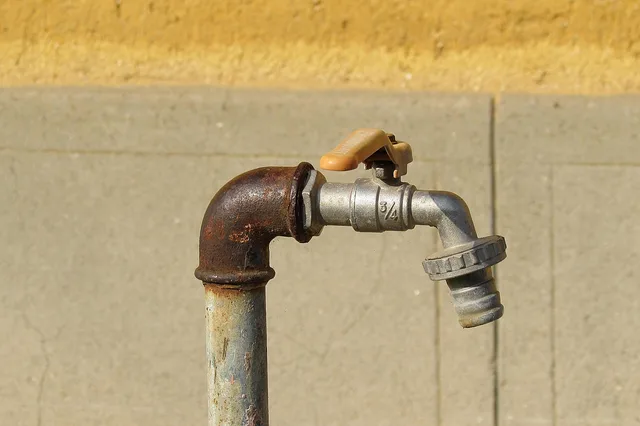
- Static pressure at the hose bib, taken with a gauge, everything else off.
- Available flow, timed with a bucket of known volume.
- A catch test on any irrigated zone, recording depth and evenness.
- Where water goes in a real storm, watched during one.
- Network coverage at the controller location, if the device needs it.
Stage three: check what is behind the claim
Some outdoor work has published technical standards behind it, but the applicable check depends on the product. Conservation standards are not product certifications for controllers, sensors, or mowers.
The USDA Natural Resources Conservation Service publishes national conservation practice standards, the official technical documents defining minimum science-based criteria for planning, designing, installing, and maintaining each practice.
Each state adapts them through a Field Office Technical Guide that may be more restrictive but never less stringent than the national version.
They are written for agricultural conservation work rather than suburban yards, and they are not product standards or certifications for controllers, soil sensors, or robot mowers.
For products, ask which specification, which version, and which certifying body applies to that exact model. For services, ask which certification category, who issued it, and when it expires.
For weather-based irrigation controllers, look for the EPA WaterSense label and verify the exact model in the WaterSense product listing. WaterSense is a third-party certified label for eligible controllers, not a blanket approval for every controller, sensor, or yard device.
For robot mowers, ask whether the exact model is certified to UL 60335-2-107, the safety standard for robotic lawn mowers. Check the certification scope and model listing with UL Solutions (UL Listed) or Intertek (ETL Listed); a mark does not establish cutting performance or site suitability.
For wireless gear, confirm its FCC ID and equipment authorization under FCC Part 15 where applicable; that addresses radio compliance, not device performance. For standalone soil sensors, ask for model-specific test conditions and calibration instructions, then check readings against soil conditions at your site.
Stage four: support, spares, and handover
| Question | Why it matters |
|---|---|
| Are sensor connections standard? | Decides whether one failure replaces one part or the whole unit |
| Can it run with no network? | A yard should not stop when a router does |
| Who stocks spares locally? | Lead time is the real cost of a mid-season failure |
| What does handover include? | Zone map, schedules, model numbers, override procedure |
| What voids the warranty? | Usually self-installation or non-approved parts |
EPA's page of additional outdoor resources can widen your search before you commit. It links water-smart design basics, microirrigation guides for homeowners and professionals, and a pool efficiency guide.
That page repeats this checklist's point: your local water utility, cooperative extension service, and nurseries know what works in your region. No national page can.
Stage five: decide
Match the device category to the fault: irrigation controllers automate watering schedules, soil sensors report soil moisture, and robot mowers automate mowing. Then get the quoted purchase and installation cost, recurring charges, likely replacement needs, and expected time saved; buy only if the full cost and upkeep are justified by the problem you wrote down. If not, repair or wait. Our ten ideas can help identify candidate projects, while our note on mistakes that add cost can prompt a final risk check—but neither replaces this decision.