Guides
Part of Reading smart yard technology with a sceptical eye, 2027 edition
Hidden costs behind installing yard automation gear at a property
The real work behind a smart yard install: the pre-install audit, pressure and coverage fixes, wiring and backflow, and how to check a contractor's certification.
Installing yard automation gear rarely ends with a controller swap. The hidden costs sit in the ground and in the paperwork: a locate, a backflow device, trenching, wiring, and the labor hours between them.
A walkthrough records which zone is which. Knowing that sequence keeps a two-day job from becoming a two-week one, and it gives the contractor a real punch list to price.
What to take away
- The pre-install audit decides the scope. Skip it and the contractor prices guesses.
- Coverage and pressure faults are repaired before control is added, not after.
- Underground work needs a utility locate request, and connection to the potable supply needs the right backflow protection.
- Expect extra line itemslocate, backflow, trenching, low-voltage wire, and labor.
- Certification is checkable. Ask which program, then confirm the credential is current.
The audit that sets the scope
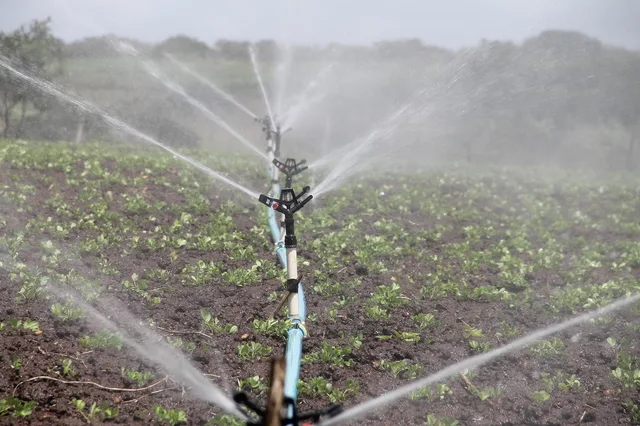
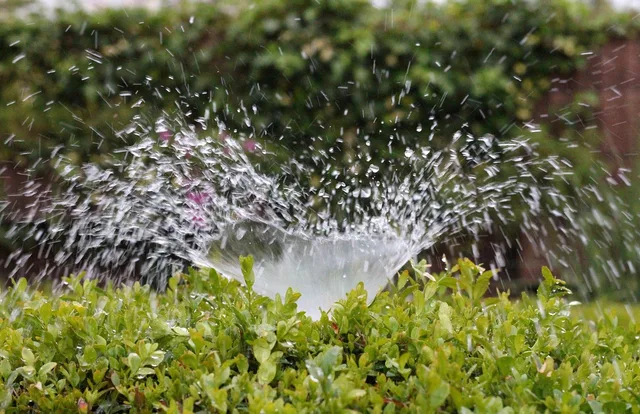
Before anything is bought, run the existing system zone by zone in daylight. EPA's sprinkler spruce-up routine gives a usable order. Inspect for broken or tilted heads and flag them. Check joints and valve boxes for leaks and pooling. Aim heads so water lands on planting rather than paving, with head-to-head coverage. Choose a labeled controller last.
Water waste by the numbers
- 50%more outdoor water used by clock-timer homes
- 25,000 gallonswasted by leaks and broken heads
- $280wasted over a six-month season
Pre-install zone-by-zone audit
- Run each zone in daylight
- Flag broken or tilted heads
- Check joints and valve boxes for leaks
- Aim heads for head-to-head coverage
- Choose a labeled controller last
The same page notes homes with clock-timer irrigation use about 50 percent more water outdoors than homes without an irrigation system. Leaks and broken heads can waste up to 25,000 gallons and about $280 over a six-month season. It also describes cycle-and-soak: split a long run into shorter intervals so water soaks in instead of running off.
That audit produces the punch list. The punch list, not the device, is what the quote should be built on.
Locates, backflow, trenching, wiring and labor: what each adds
The quote often misses six line items. Each one carries a typical range.
Six line items the quote misses
- Private utility locate$150-$500
- RPZ assembly$150-$500
- Plumber install$350-$1,500
- Machine trenching$2-$5 per foot
- Hand digging$5-$12 per foot
- Irrigation labor$75-$150 per hour
- Utility locate.Call 811 before digging. The public locate is free in most states, but private lines past the meter can cost $150 to $500 to mark. Schedule several working days ahead.
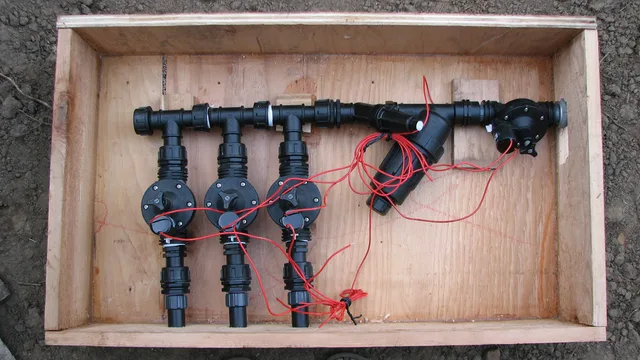
- Backflow prevention.A reduced pressure zone assembly from Febco or Wilkins runs about $150 to $500. A licensed plumber charges $350 to $1,500 to install it, plus a $50 to $200 permit in many jurisdictions and a $50 to $150 annual test.
- Trenching and sleeving.Machine trenching for irrigation lines typically costs $2 to $5 per linear foot. Hand digging in tight beds runs $5 to $12 per foot. A sealed sleeve under a driveway or walkway adds $200 to $800.
- Low-voltage wiring.Direct-burial 18-gauge irrigation wire costs about $80 to $150 for 500 feet. Labor to run it from controller to valves adds $1 to $3 per foot.
- Outdoor outlet.A weatherproof GFCI outlet installed by an electrician runs $200 to $500, with a permit fee of $50 to $150 where required.
- Labor and controller.Irrigation contractors bill $75 to $150 per hour in most markets. A simple controller swap is $150 to $500 in labor. A full retrofit with repairs, pressure regulation, and new nozzles is often two to four days.
- Zone labeling and handover.A written zone map, schedule, and walkthrough with manual override are usually folded into labor, but ask for them in the quote.
Hiring, and what to ask
Certification programs for irrigation work are verifiable. EPA's guidance on an irrigation professional recommends confirming the contractor is licensed and bonded, then asking what training or certification they hold.
Certified professionals can design, install, maintain, repair, and audit a system. Proper management can cut annual outdoor use by nearly 8,800 gallons. Ask for the schedule in writing, ask who returns for the seasonal adjustment, and ask what happens if the system fails a coverage check after handover.
Good answers sound specific: seasonal schedule adjustment, checking heads for breaks, correcting spray onto hardscape, and a written schedule you can keep.
Handover and the first month
After sign-off, watch a full cycle of every zone. Read the meter with everything off, wait fifteen minutes, and read it again. Note run times, then adjust once the yard responds.
For how these choices affect the quote, read what lands on the bill. If the property is rented or very small, our guide to reversible options covers work that needs no trench at all.