Costs
Part of Reading smart yard technology with a sceptical eye, 2027 edition
3 parts of smart yard technology, explained
Smart yard technology splits into three parts including watering control, sensing, and outdoor power and light, each carrying its own cost drivers.
What to take away
- Smart yard technology is three parts, not one product: watering control, sensing, and outdoor power and light. A quote that names one part is incomplete.
- Watering control pays back through run time, pressure, and leak detection, in that order.
- Sensing is the part most often bought on specification and returned on performance. Bench readings and shovel readings differ.
- Outdoor power and light carries the highest callback risk. Mis-wired transformers and lumens rules are separate problems.
- Document each part as it goes in. Rebate paperwork and warranty claims both want model numbers and dates.
Part one: watering control
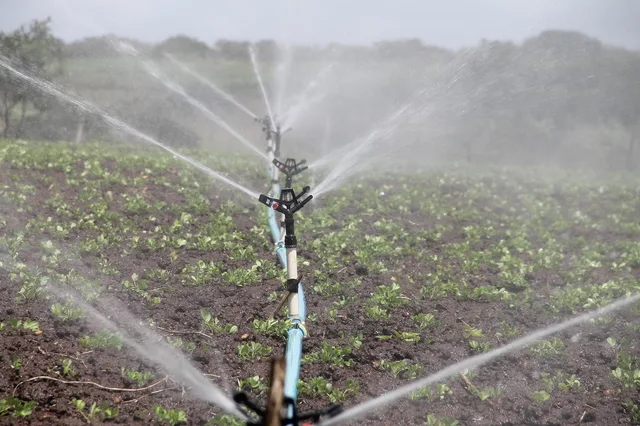
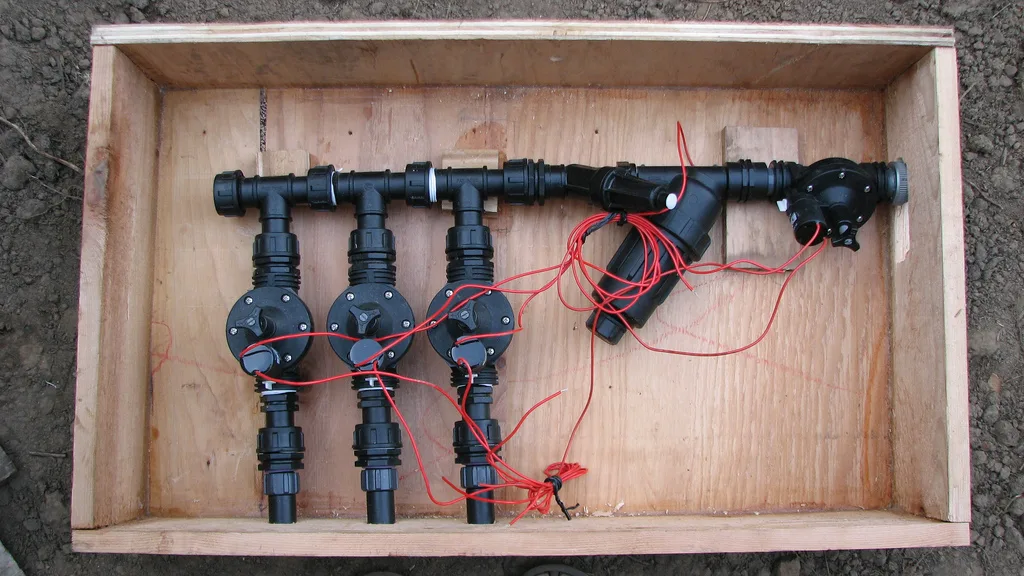
Watering control is the controller, the valves, and the sprinkler bodies. It decides when a zone runs, for how long, and at what pressure.
Watering Controllers Compared
Rachio 3
- Price
- $220–$250
- Zones
- 8
- Weather delays
- No
- Flow meter
- No
- EPA WaterSense
- Yes
Rain Bird ST8
- Price
- $150–$180
- Zones
- 8
- Weather delays
- Yes
- Flow meter
- No
- EPA WaterSense
- No
Hunter Hydrawise Pro-HC
- Price
- $250–$300
- Zones
- Pro-HC
- Weather delays
- Yes
- Flow meter
- Yes
- EPA WaterSense
- No
Orbit B-hyve XR
- Price
- $150–$200
- Zones
- XR
- Weather delays
- Yes
- Flow meter
- No
- EPA WaterSense
- No
Run time is the largest single source of waste. A schedule set in May and never touched again waters a lawn that stopped drinking in August.
The controller is the part most buyers compare. Rachio 3 is a common starting point. Its 8-zone version typically sells for $220 to $250 and carries an EPA WaterSense label.
Rain Bird ST8 usually runs $150 to $180 and adds weather delays. Hunter Hydrawise Pro-HC typically costs $250 to $300 and accepts a flow meter for leak alerts. Orbit B-hyve XR sits near $150 to $200.
Pressure regulation at the sprinkler body cuts misting without touching the schedule. Leak detection is the cheapest saving on the list: a broken head found in a day rather than a season.
App polish, voice control, and dashboard graphs do not move the meter. Buy them for convenience, not for savings.
Part two: sensing
Sensors answer two questions the controller cannot: how wet is the soil, and what is the weather about to do.
Soil and Weather Sensors
Soil sensors
- Examples
- Rain Bird SMRT-Y, Hunter Soil-Clik
- Typical price
- $100–$220
- Installation
- At root depth
- Warranty note
- Check Zone 4 winter coverage
Weather stations
- Examples
- Davis Vantage Vue, Ambient WS-2902, WeatherFlow Tempest
- Typical price
- $180–$450
- Installation
- Sited for weather
- Warranty note
- Check coverage
Rain sensors
- Examples
- Rain Bird RSD-BEx, Hunter Rain-Clik
- Typical price
- $40–$100
- Installation
- Wired to controller
- Warranty note
- Check coverage
Soil moisture sensors sit at root depth. A sensor that reads true on a bench can read wrong against a shovel. Installation depth and soil contact decide the result. Ask what the warranty says about a sensor that fails after a Zone 4 winter.
Rain Bird SMRT-Y is a soil sensor kit that typically costs $180 to $220. Hunter Soil-Clik usually runs $100 to $140. Both wire into many common controllers.
Weather stations and rain sensors handle the other half. Davis Vantage Vue typically costs $395 to $450. Ambient Weather WS-2902 usually runs $180 to $220. WeatherFlow Tempest sits near $329 to $369. Rain Bird RSD-BEx and Hunter Rain-Clik are common wired rain sensors, typically $40 to $100.
In Ontario and Alberta, frost dates shift the start and end of the season. A schedule that ignores them runs on frozen ground.
Part three: outdoor power and light
Robotic mowers and lighting automation share a power source and a set of rules. Both need a transformer. Both often fail at the connection before they fail at the device.
Low-voltage lighting transformers are a common callback. A fixture that flickers in one zone usually traces to the transformer or the run, not the lamp. Wiring and transformer sizing belong to a licensed electrician and your local electrical code authority.
Robotic mowers carry their own price bands. Husqvarna Automower 115H typically sells for $1,600 to $1,900. Worx Landroid M 20V usually runs $1,000 to $1,200. Segway Navimow H1500N sits near $1,500 to $1,800. Mammotion Luba 2 AWD typically costs $2,500 to $3,500.
Lighting faces a second rulebook. A dark-sky bylaw in Montreal or Quebec City can cap lumens and require shielding. Confirm what your municipality permits before you buy fixtures, not after. Kichler 200-watt transformers typically cost $250 to $350. Philips Hue Lily outdoor spotlight kits usually run $280 to $330.
Cost structure across the three parts
Hardware is usually the smaller half of any of the three parts. Site work, repairs, and labor carry the rest.
What drives the bill
- Watering control
- Schedule and leaks
- Sensing
- Installation depth and siting
- Power and light
- Transformer, run length, shielding
- Labor and contingency
- Trenching, permits, site work
Typical 2026 range
- Watering control
- Audit $150 to $500; head repair $75 to $150 each; controller $150 to $300
- Sensing
- Soil sensor $100 to $250; weather station $180 to $450; rain sensor $40 to $100
- Power and light
- Robotic mower $1,000 to $4,000; low-voltage transformer $150 to $500; electrician $100 to $200 per hour
- Labor and contingency
- Typically 30 to 50 percent of installed cost
First move
- Watering control
- Audit, repair, then a labeled controller
- Sensing
- Test one zone before buying for all
- Power and light
- Electrician scopes the supply first
- Labor and contingency
- Ask for a line-item quote
Ask for quotes broken into repairs, hardware, labor, and contingency. Itemize the repair list from an audit, not an estimate. In a shared building, outdoor water is often a common expense on a common meter. That breaks the link between the person watering and the person paying.
Two federal resources help a board argue from data. EPA's community planning and incentives guidance notes that some jurisdictions incentivize or require WaterSense-labeled homes. Those homes use at least 30 percent less water than typical new construction.
For an existing building, EPA's water score for multifamily housing is a 1 to 100 rating built in ENERGY STAR Portfolio Manager. It needs a year of metered bills plus the property's irrigated area.
Rebate rules vary by utility and change each season. Confirm eligibility in writing before purchase. Keep the audit sheet, invoice, and model numbers together. The scope side of the estimate is in what installation involves. Staged spending is covered in our category overview.
Common questions
Which of the three parts should I buy first?
Watering control, and only after an audit and repairs. A labeled controller on a leaking system saves less than the leak costs.
Do I need all three parts?
No. Sensing earns its place on sloped or shaded ground and in shared buildings. Power and light stand alone if you want a mower or path lighting.
Who approves a shared-building upgrade?
Normally the board, under the governing documents. Budget approval and a contractor insurance check usually come before any purchase.
What records should I keep?
The pre-work audit, dated photographs, the quote breakdown, meter readings before and after, and every model and serial number.