Guides
4 Pointers for Robotic Yard Equipment on Lawns
A practical guide to robotic yard equipment for lawns: measure the site, compare mower types, read coverage estimates, and plan installation and operation.
What to take away
- Choose the machine type before the brand. Boundary-wire, RTK and camera-guided mowers fail differently and cost different amounts.
- Measure your worst slope as a percentage grade and note your narrowest gap. Those two numbers rule out more models than lawn area does.
- Treat coverage and runtime figures as estimates modelled on flat, dry, open ground.
- Expect your routine to change. Frequent light cuts with clippings returned replace weekly cut-and-bag work and shift the fertilizer rate.
- Budget beyond the mower. Wire, a level base station spot and a weatherproof outlet are part of the project.
Step one: measure the yard before you shop
Walk the property with a tape before you compare a single model. Record five things.
Step one: measure the yard
- Mowing area in square feet, zone by zone, rather than taking the lot size from a listing.
- The steepest slope the machine must climb, written as a percentage grade. Measure rise over run instead of judging by eye.
- The narrowest gap between a bed, wall or tree and the mown edge.
- Fixed obstaclestrunks, posts, hose bibs, irrigation valve boxes, utility covers and, on a septic property, the whole soil treatment area.
- A charging base spot with level ground, some shade and a power source.
Sort the machine types before prices pull you toward one model. Run the shortlist past a buyer checklist for outdoor automation before you commit.
Step one: measure the yard
How it finds the edge
- Boundary wire
- A pegged or buried cable carries a signal the mower follows
- RTK positioning
- A base station and roof antenna fix the machine within a few centimeters
- Camera and vision
- Onboard cameras read the edge as the machine mows
Strongest on
- Boundary wire
- Odd shapes, tight borders and smaller lots
- RTK positioning
- Open lawns with a clear view of the sky
- Camera and vision
- Lawns that cannot take a buried cable
Watch for
- Boundary wire
- Cable breaks, and cable lifts for repairs
- RTK positioning
- Higher hardware cost; buildings and tree cover degrade the fix
- Camera and vision
- Performance shifts with light, leaves and shadow
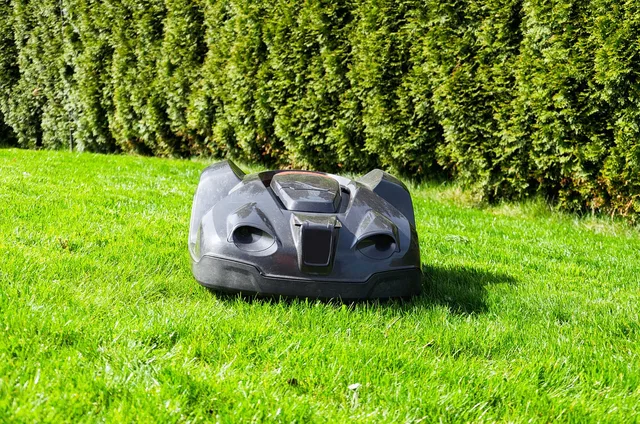
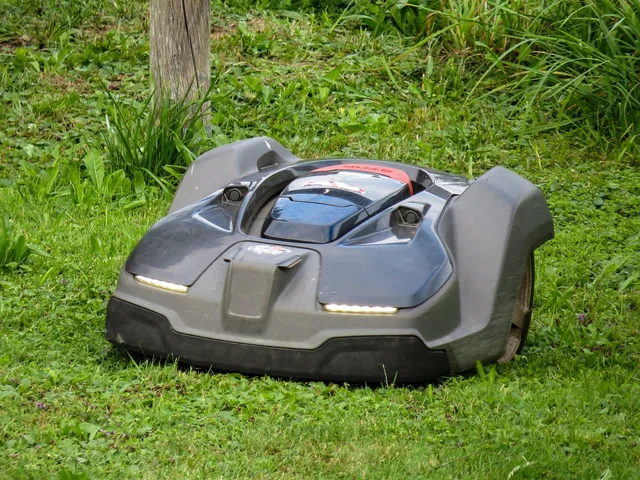
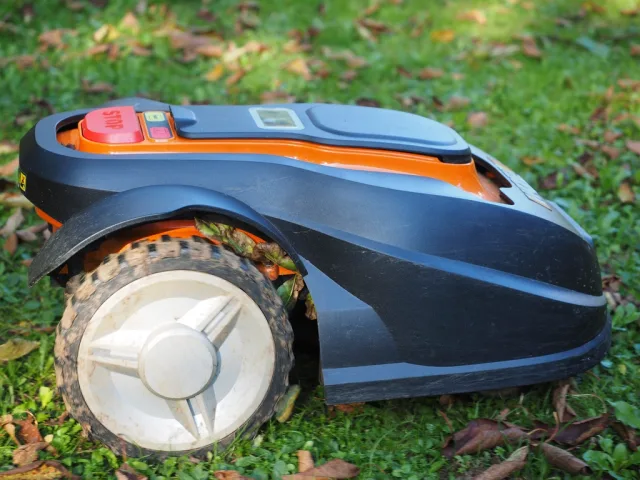
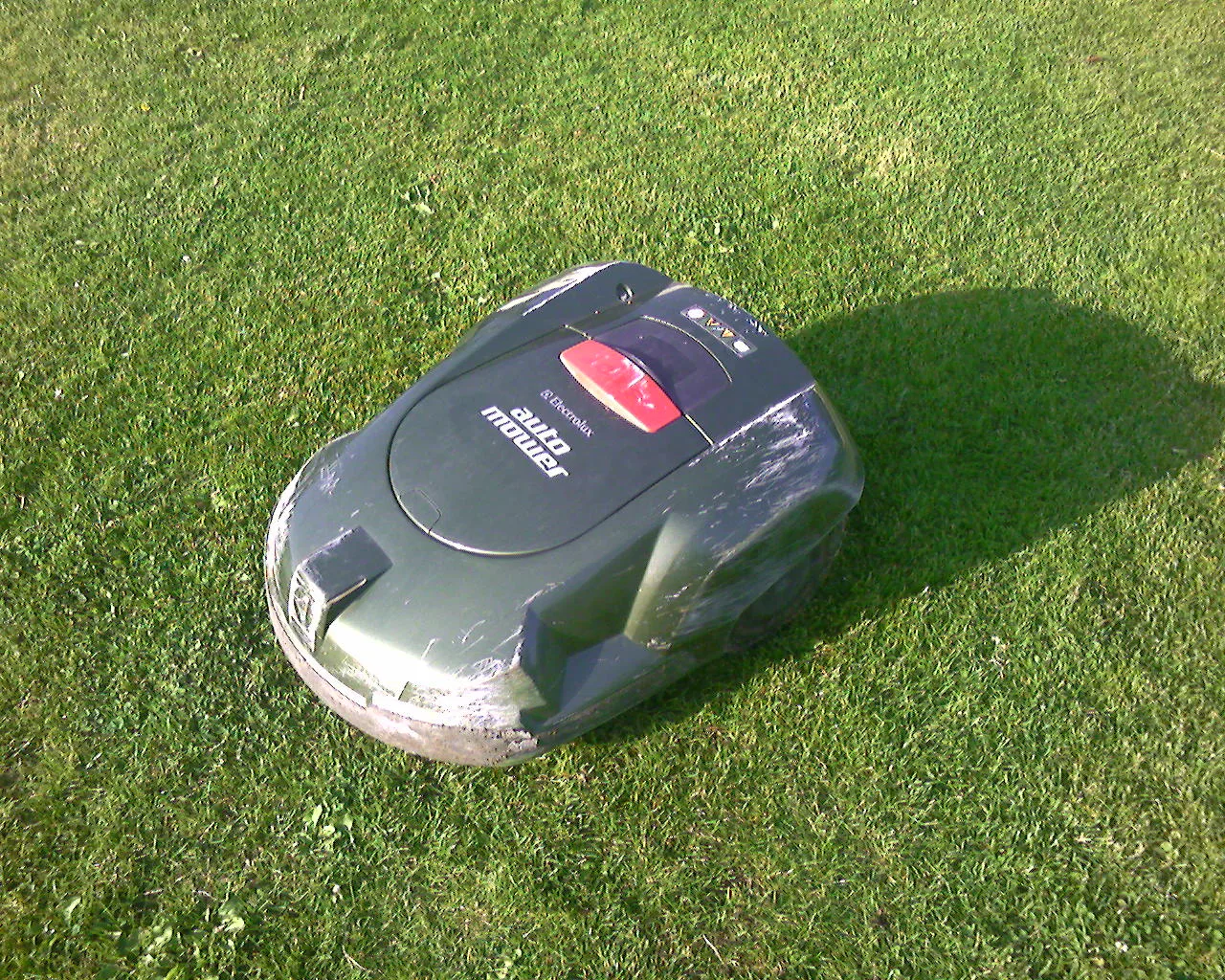
By name, wire-guided machines include Husqvarna Automower and Worx Landroid. RTK and camera units include Segway Navimow and Mammotion Luba.
Boundary-wire mowers stay the cheapest and the most forgiving on awkward shapes. Machines that use RTK or cameras skip the buried wire, but they need clear sky or steady light.
Step two: what changes after the machine arrives
The schedule changes first. A robotic mower shaves a thin slice off the blade tips most days instead of taking a third of the leaf once a week.
Typical cutting heights sit between about 0.8 and 2.4 inches, and the deck holds that height more evenly than a push mower.
Weekly vs robotic mowing
Weekly mowing
- Cut frequency
- Once a week
- Clippings
- Usually collected
- Grass height
- Varies through week
- Labor
- One long task
- Failure mode
- Obvious, grass grows
Robotic mowing
- Cut frequency
- Most days
- Clippings
- Returned to surface
- Grass height
- Held near constant
- Labor
- Setup, then supervision
- Failure mode
- Quiet, machine docked
Clippings stay on the lawn. They break down within days and return nitrogen and organic matter, so they change the fertilizer rate rather than removing the soil test.
Taller grass shades soil and holds moisture, so a mowing change reaches the watering schedule too. EPA's outdoor water efficiency overview puts residential outdoor water use nationally at nearly 8 billion gallons a day, mostly for irrigation.
Pair the mowing calendar with the watering one. Our planning guide for smart irrigation sets out that pairing in detail.
Failure modes are routine and mostly weather-driven. Wet grass, deep leaves and soft ground stop the machine, which waits, alerts and then resumes. Read the log rather than guessing.
Battery behaviour sets the daily pattern. Typical residential units run 60 to 120 minutes per charge, recharge in 45 to 90 minutes, then head out again.
If a mower would have to run more than about 12 hours a day to cover your lawn, the model is undersized for the property.
Step three: read runtime and coverage specs as estimates
A coverage figure is modelled output, not a measurement of your ground. The USDA Natural Resources Conservation Service's energy estimator tools state plainly that their results are illustrative estimates from agency models, not site-specific recommendations.
Real yards break the model. A mower rated for half an acre of flat, open turf will cover far less on a terraced lot split into three zones.
Slope cuts the figure again, and wet grass cuts it harder. Most makers publish a maximum grade rather than a realistic one, so measure your own worst slope first.
Then compare what is left, line by line. Our guide to comparing smart yard specs shows how to test a published number against your own ground.
Step four: install, then supervise for two weeks
Lay the boundary generously at first, then tighten it after you watch the machine work. Run it in daylight while you are home, which shows where it stalls, scalps a corner or cuts a rut.
Keep children and pets clear during operation, and follow the maker on blade handling and transport. Write down your settings, because a service visit will ask.
Cold weather ends the season early. The reference entry on robotic lawn mowers notes that battery capacity and traction both fall in cold, wet conditions. A Canadian owner should expect several idle months.
What the equipment costs
Typical price bands run from roughly $800 to $2,500 for a boundary-wire mower, and from about $1,500 to $5,000 or more for RTK and camera units. Wire, a base station and a weatherproof outlet add a few hundred dollars.
Canadian pricing differs with duty and exchange rates. For how a total is built, read smart yard costs explained.
Common questions
Do returned clippings replace fertilizer?
How steep a slope can these machines handle?
Do I still have to trim edges?
Is night running allowed?
In this guide
- 4 points worth checking on robotic yard equipmentHow dealers and installers scope robotic yard equipment work: the site survey, boundary installation, service arrangements, and what a proper handover contains.
- 5 things to weigh up on robotic yard equipmentThe robotic yard equipment mistakes that cost money later: bad boundaries, machines on drainfields, night running, scalping, and skipped seasonal servicing.
- An honest review of robotic yard equipmentRobotic mowers, their real strengths and limits, and the site measurements and lawn slope data that decide whether any of them suits your yard.
- Who Sets the Rules for Robotic Yard Equipment?Robotic yard equipment is not covered by one national rulebook. Here is which bodies set the limits, from local ordinances and covenants to state programs.
- Robotic yard equipment reviewed: what holds up and what does notHusqvarna, Worx and Segway robotic mowers and their rivals, judged on boundary systems, slope limits, battery design and the repairs owners actually pay for.